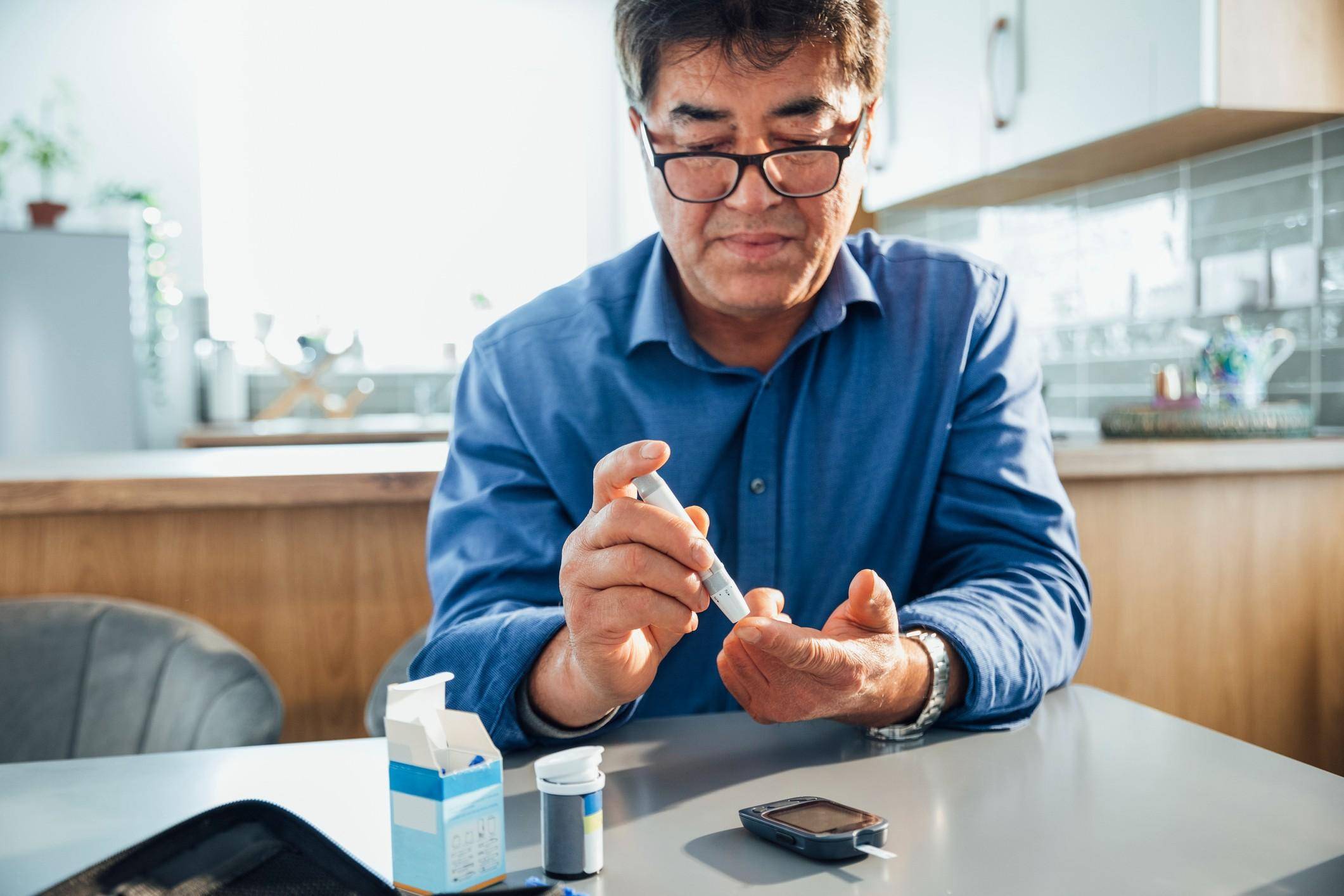
Type 2 diabetes can develop gradually, and some people may have the condition for years without realizing it. The early symptoms can be mild and are sometimes mistaken for tiredness, stress, or other everyday health problems.
Recognizing possible warning signs and getting tested when appropriate can help identify diabetes before it causes more serious complications.
Common Early Signs
Increased thirst: Feeling unusually thirsty, especially when it happens repeatedly, can be a sign of high blood sugar.
Frequent urination: High blood glucose can cause the kidneys to remove more glucose through urine, which may lead to urinating more often.
Persistent tiredness: Feeling unusually tired or lacking energy can occur when the body cannot use glucose properly for energy.
Blurred vision: Changes in blood sugar levels can temporarily affect the eyes and cause blurred vision.
Slow-healing sores: Cuts or other wounds that take longer than expected to heal may sometimes be associated with diabetes.
Frequent infections: Repeated urinary, skin, or other infections can also occur in people with diabetes.
Why Symptoms Can Be Easy to Miss
Type 2 diabetes often develops slowly. Some people have only mild symptoms, while others have none at all.
This means that feeling well does not necessarily mean that blood sugar is normal. People with certain risk factors may need testing even when they have no obvious symptoms.
Who Is at Higher Risk?
The risk of type 2 diabetes increases with factors such as excess weight or obesity, physical inactivity, a family history of diabetes, prediabetes, and a history of diabetes during pregnancy.
Age also becomes an important risk factor, although type 2 diabetes can occur in younger adults, teenagers, and children as well.
When Should You Get Tested?
Anyone experiencing several possible symptoms of diabetes should discuss them with a healthcare professional rather than trying to diagnose the condition at home.
Testing is particularly important for people who have risk factors for type 2 diabetes, even if they feel healthy. Blood tests can determine whether blood glucose levels are within the normal range, indicate prediabetes, or meet the criteria for diabetes.
Can Type 2 Diabetes Be Prevented?
In many people at increased risk, lifestyle changes can help prevent or delay type 2 diabetes.
Regular physical activity, maintaining a healthy weight, and choosing a balanced diet can all reduce the risk. Even modest weight loss may provide a meaningful benefit for people who are overweight or have obesity.
The Bottom Line
Type 2 diabetes does not always announce itself with obvious symptoms. Increased thirst, frequent urination, tiredness, blurred vision, slow-healing wounds, and repeated infections can be warning signs, but they can also have other causes.
If these symptoms persist or several occur together, a simple blood test and medical evaluation can help determine whether diabetes or another health problem is responsible.
Sources: National Institute of Diabetes and Digestive and Kidney Diseases (NIDDK) and other reputable medical references.