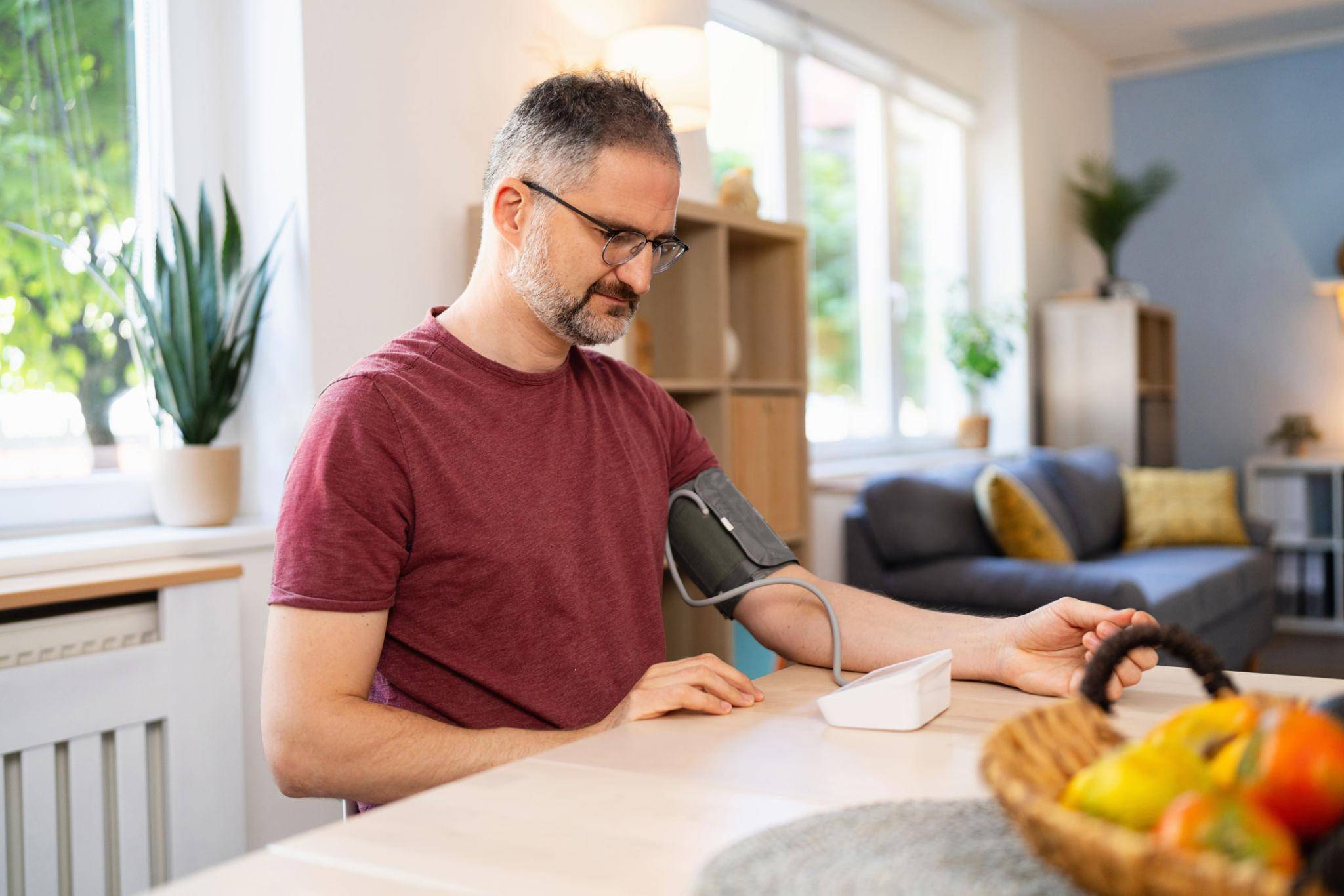
High blood pressure is one of the most common health conditions worldwide, yet many people do not know they have it. The condition often develops without noticeable symptoms, allowing it to remain undetected while gradually increasing the risk of serious health problems.
High blood pressure can affect the heart, brain, kidneys, and eyes. Regular blood pressure checks are therefore important even when a person feels completely healthy.
Why Can High Blood Pressure Go Unnoticed?
Unlike many illnesses, high blood pressure usually does not cause clear warning signs. Headaches, dizziness, tiredness, or blurred vision can occur in some people, particularly when blood pressure becomes very high, but these symptoms are not specific enough to diagnose hypertension.
The only reliable way to know whether blood pressure is high is to have it measured.
What Increases the Risk?
Several factors can increase the likelihood of developing high blood pressure.
Unhealthy diet: Eating too much sodium and not getting enough potassium can contribute to higher blood pressure.
Lack of physical activity: Regular movement helps maintain a healthy weight and supports cardiovascular health.
Excess weight: Being overweight or having obesity can increase the risk.
Smoking: Tobacco use can raise blood pressure and damage blood vessels.
Family history: Having close relatives with high blood pressure can increase the risk.
Age and certain medical conditions, including diabetes and kidney disease, can also play a role.
How Can You Help Prevent It?
Healthy daily habits can make a significant difference. Eating more fruits, vegetables, whole grains, and other nutritious foods while reducing excess sodium can help support healthy blood pressure.
Regular physical activity is also important. Adults are generally advised to get at least 150 minutes of moderate-intensity aerobic activity each week.
Maintaining a healthy weight, avoiding tobacco, limiting alcohol, and getting enough sleep can provide additional benefits.
When Should You Check Your Blood Pressure?
Because high blood pressure often has no symptoms, waiting until you feel unwell is not a good way to monitor it.
Adults should have their blood pressure checked regularly, with more frequent monitoring when readings are elevated or other risk factors are present. Home blood pressure monitors can also be useful when used correctly and discussed with a healthcare professional.
When Is It an Emergency?
Extremely high blood pressure can become dangerous, particularly when accompanied by symptoms such as chest pain, severe shortness of breath, confusion, weakness, or changes in vision.
A blood pressure reading above 180/120 mm Hg requires urgent medical attention, especially when concerning symptoms are present.
The Bottom Line
High blood pressure can quietly damage the body for years without causing obvious symptoms. Regular checks, a healthy diet, physical activity, and other healthy habits can help detect and manage the condition before it leads to serious complications.
Knowing your blood pressure is a simple step that can make a significant difference to long-term heart and overall health.
Sources: Centers for Disease Control and Prevention (CDC) and Mayo Clinic.